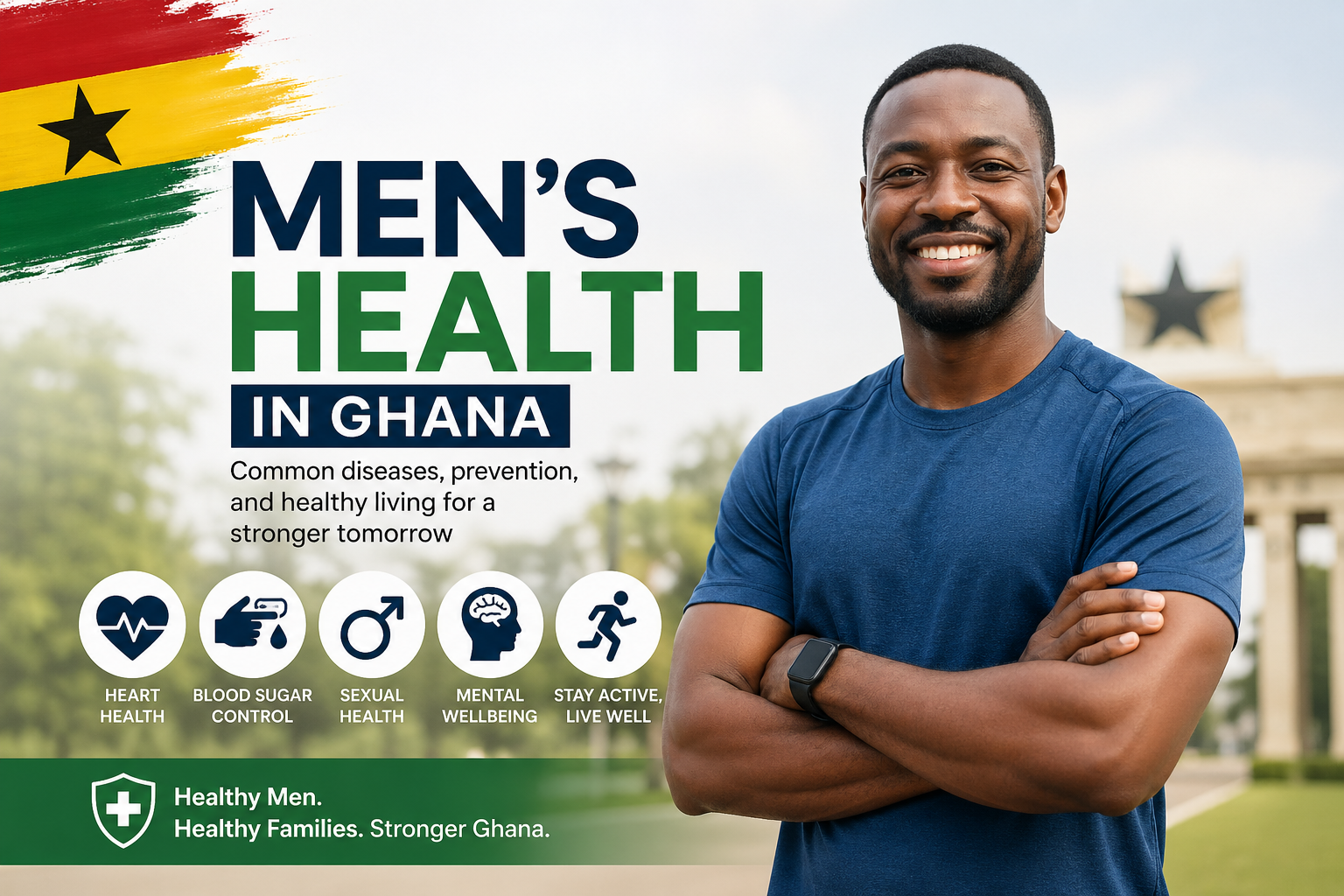
Men’s health is an important but often overlooked issue in Ghana. Across many communities, men are expected to be strong, hardworking, and resilient. While these qualities are admirable, they sometimes create a dangerous culture where many men ignore symptoms, delay medical checkups, and avoid seeking treatment until a health problem becomes severe. As a result, preventable diseases continue to affect the lives of many Ghanaian men.
Improving men’s health in Ghana requires awareness, early detection, healthy lifestyle choices, and a willingness to seek professional medical care when necessary.
The Silent Threat of Hypertension
Hypertension, commonly known as high blood pressure, is one of the biggest health threats facing men in Ghana today. It is often called a “silent killer” because many people have no symptoms until serious complications occur. Untreated hypertension can lead to stroke, heart failure, kidney disease, and sudden death.
Contributing factors include stress, poor diet, excessive salt intake, alcohol consumption, smoking, obesity, and lack of exercise. Men who work long hours under pressure and fail to monitor their blood pressure regularly are particularly vulnerable.
Routine blood pressure checks, regular exercise, reduced salt intake, and proper medical treatment can help control this condition.
Diabetes and Blood Sugar Disorders
Diabetes is increasing rapidly in Ghana due to changing lifestyles, urbanization, unhealthy eating habits, and physical inactivity. This condition occurs when the body cannot properly regulate blood sugar levels.
Common symptoms include excessive thirst, frequent urination, tiredness, blurred vision, and slow wound healing. If unmanaged, diabetes can damage the eyes, kidneys, nerves, heart, and blood vessels.
Many men ignore early warning signs until complications arise. Regular blood sugar testing, healthy eating, maintaining a healthy weight, and following medical advice are essential in preventing and managing diabetes.
Prostate Health Matters
As men grow older, prostate health becomes increasingly important. The prostate gland may enlarge with age, causing urinary difficulties such as weak urine flow, frequent urination at night, or difficulty starting urination.
More seriously, prostate cancer is one of the leading cancers affecting men globally and is becoming more recognized in Ghana. Early detection greatly improves treatment outcomes.
Men above age 40 should discuss prostate screening and regular medical assessments with their healthcare providers.
Sexually Transmitted Infections
Sexual health remains a major component of men’s wellbeing. Gonorrhea is common, but it is only one of several sexually transmitted infections affecting men. Others include syphilis, chlamydia, HIV, genital herpes, and hepatitis B.
Untreated sexually transmitted infections can lead to infertility, chronic pain, transmission to partners, and serious long-term complications.
Safe sexual practices, regular screening, honest communication with partners, and prompt treatment are necessary for prevention and protection.
Mental Health: The Hidden Crisis
Mental health challenges among men are often ignored because many men feel pressured to hide their emotional struggles. Stress from unemployment, financial pressure, family responsibilities, and social expectations can lead to anxiety, depression, substance abuse, and emotional burnout.
Some men suffer in silence, believing that asking for help is a sign of weakness. In reality, seeking support is a sign of maturity and responsibility.
Men should be encouraged to speak openly, seek counseling when needed, maintain supportive friendships, and prioritize emotional well-being.
Kidney and Liver Diseases
Kidney disease is frequently linked to untreated hypertension and diabetes. Because symptoms may not appear early, many men only discover kidney problems at advanced stages.
Liver disease is also a concern, often associated with excessive alcohol use, hepatitis infections, and unhealthy lifestyle habits.
Regular health checks, moderate alcohol consumption, proper hydration, and timely treatment of chronic illnesses can help protect these vital organs.
Obesity, Poor Fitness, and Lifestyle Diseases
Modern lifestyles have reduced physical activity for many men. Long hours sitting at desks, driving, or working without exercise contribute to weight gain and poor cardiovascular health.
Obesity increases the risk of hypertension, diabetes, joint problems, heart disease, and reduced energy levels.
Simple habits such as walking regularly, reducing sugary drinks, eating fruits and vegetables, and exercising several times a week can significantly improve health outcomes.
Common Infections and Other Conditions
Men in Ghana also face common infections such as malaria, typhoid fever, tuberculosis, and respiratory illnesses. In addition, hernia, chronic back pain, arthritis, and digestive disorders affect many men, especially those engaged in physical labor or stressful work environments.
Ignoring symptoms and relying solely on self-medication can worsen these conditions.
Prevention Is Better Than Cure
The most powerful tool in men’s health is prevention. Every man should consider the following habits:
- Check blood pressure regularly
- Test blood sugar periodically
- Exercise consistently
- Eat balanced meals
- Reduce alcohol intake
- Avoid smoking and drug abuse
- Practice safe sex
- Get enough sleep
- Manage stress effectively
- Visit a healthcare facility early when symptoms appear
Changing the Culture of Silence
One of the greatest barriers to men’s health in Ghana is the belief that men must endure pain quietly. This mindset leads many men to seek medical help too late.
Strength should not mean silence. True strength means taking responsibility, protecting one’s family by staying healthy, and acting early when health issues arise.
Conclusion
Men’s health in Ghana deserves greater attention from families, communities, workplaces, religious institutions, and policymakers. Hypertension, diabetes, prostate disease, sexually transmitted infections, mental health challenges, and lifestyle-related illnesses can all be managed or prevented through awareness and timely action.
A healthier nation begins with healthier men. Every Ghanaian man must understand that health is wealth, and investing in one’s wellbeing is one of the wisest decisions any man can make.