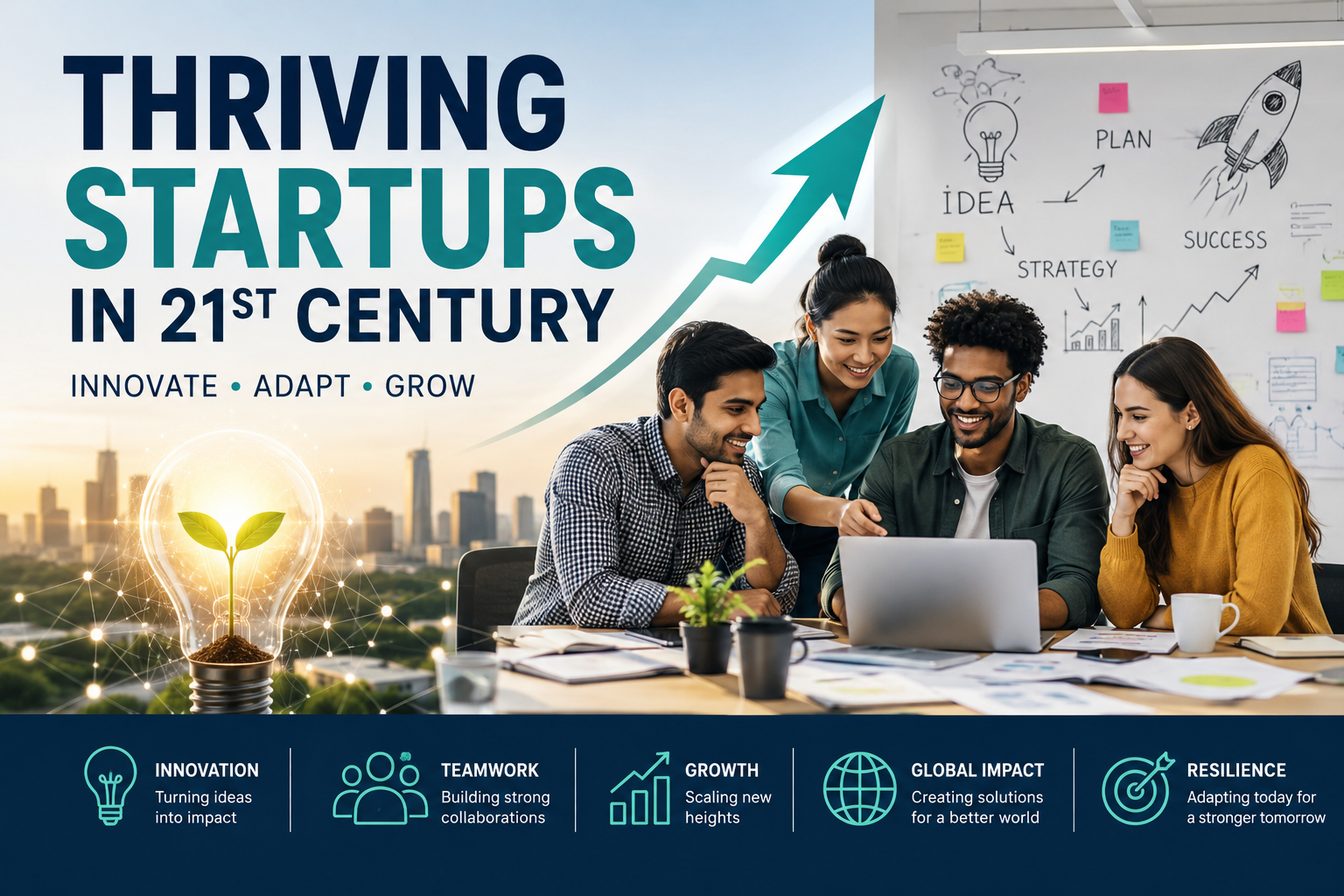
The 21st century has become the age of innovation, technology, and entrepreneurship. Across the globe, startups are transforming industries, solving everyday problems, and creating new opportunities for employment and wealth creation. From fintech companies in Africa to artificial intelligence ventures in Silicon Valley, startups are shaping the future of business and redefining economic growth.
A startup is a newly established business designed to develop a scalable product or service under conditions of uncertainty. Unlike traditional small businesses that mainly focus on steady local income, startups are usually innovation-driven and seek rapid growth, market expansion, and investor funding. Many startups aim to disrupt existing industries through technology, creativity, and modern business models. Venture capital and innovation ecosystems have played a significant role in supporting startup growth globally. (OECD)
One of the key characteristics of 21st-century startups is their strong reliance on technology and digital platforms. Today, entrepreneurs can launch businesses with relatively low capital by leveraging cloud computing, social media marketing, e-commerce platforms, and remote work systems. This digital transformation has enabled startups to compete internationally, even from developing countries. Emerging sectors such as financial technology (fintech), health technology (healthtech), agricultural technology (agritech), artificial intelligence, renewable energy, and e-learning have become major drivers of startup growth. Recent trends also show growing investments in climate technology, biotechnology, and AI-powered services. (everythingstartups.io)
There are various types of startups in the modern business environment. First are scalable startups, which are designed for rapid expansion and usually seek venture capital funding. Companies like Uber and Airbnb began as scalable startups with global ambitions. Second are small business startups, which focus on providing products or services within local markets while maintaining sustainable profitability. Third are social startups, which aim to solve social or environmental challenges while still operating as businesses. Fourth are lifestyle startups, created mainly to support the founder’s preferred lifestyle or passion, such as blogging, freelance consulting, or digital content creation. Another growing category is tech startups, which rely heavily on software, mobile applications, and digital innovation to create solutions for consumers and businesses.
Shareholding structure is one of the most important foundations of a startup. Shareholding refers to the ownership distribution among founders, investors, employees, and other stakeholders. In the early stages, founders often own most of the shares because they contribute the original business idea and initial resources. However, as the startup grows and seeks external financing, shares are usually distributed to angel investors, venture capitalists, and strategic partners in exchange for capital injections.
A well-structured shareholding arrangement helps avoid future conflicts and improves investor confidence. Most startups create shareholder agreements that define voting rights, dividend policies, transfer of shares, and decision-making procedures. In many successful startups, employee stock ownership plans (ESOPs) are also introduced to motivate employees and align their interests with company growth. This approach allows workers to own a portion of the company and benefit from its future success.
Closely connected to shareholding is the governance structure of the startup. Corporate governance refers to the system through which a company is directed, controlled, and held accountable. Governance has become increasingly important for startups because investors now demand transparency, accountability, and risk management before providing funding. Experts emphasize that governance should not be viewed as unnecessary bureaucracy but as a strategic framework for sustainable growth. (bii.co.uk)
A typical startup governance structure includes shareholders, a board of directors, executive management, and advisory teams. The board of directors oversees strategic decisions, financial performance, and compliance issues. In many startups, founders initially dominate the board, but external investors often request board representation as part of investment agreements. Independent directors may also be appointed to provide professional guidance and reduce conflicts of interest. Strong governance practices improve investor trust, enhance decision-making quality, and reduce operational risks. (Govenda)
Capital structure is another essential element of startup success. Capital structure refers to the combination of debt and equity financing used to fund business operations and growth. Most startups begin with bootstrapping, where founders use personal savings or support from family and friends. As the business expands, startups may attract angel investors, venture capital firms, crowdfunding contributions, or bank financing.
Equity financing is very common in startups because early-stage companies often lack the collateral and stable cash flow required for loans. Venture capitalists invest in startups in exchange for ownership stakes, expecting significant future returns if the company succeeds. Modern venture capital has evolved significantly in the 21st century, with investors increasingly supporting startups in emerging markets, green technology, fintech, and AI industries. (OECD) However, excessive dependence on external funding can dilute founder ownership and increase investor influence over company decisions. Therefore, startups must carefully balance growth ambitions with financial sustainability.
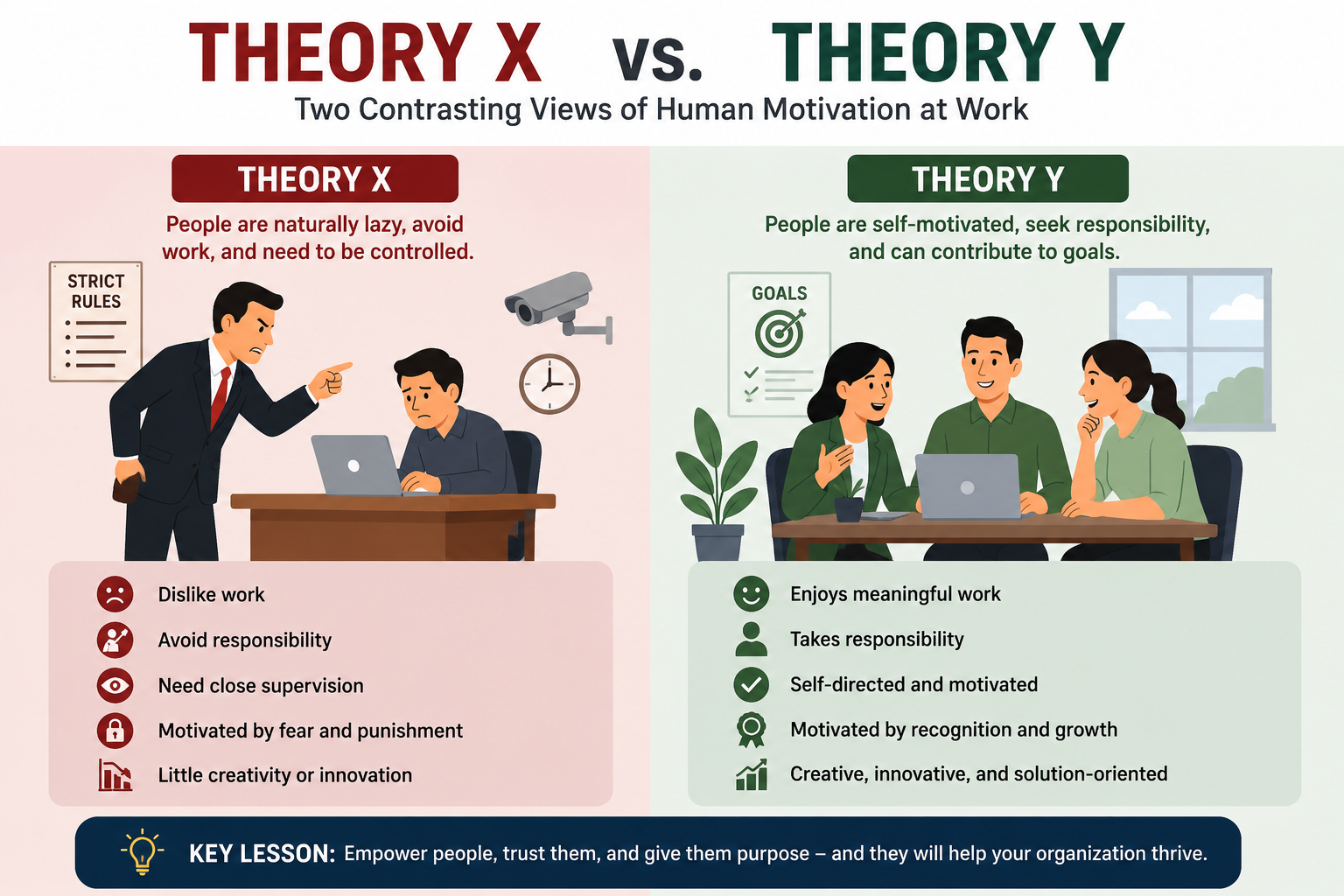
Management style also plays a major role in determining whether a startup thrives or fails. Unlike traditional corporate organizations with rigid structures, startups often adopt flexible and innovative management approaches. Founders usually encourage creativity, teamwork, experimentation, and fast decision-making. Agile management systems, flat organizational structures, and collaborative work cultures are common among successful startups.
Modern startup leaders are expected to combine technical knowledge with emotional intelligence, adaptability, and strategic thinking. Effective communication and leadership accountability are essential because startup environments are highly uncertain and competitive. Some founders adopt transformational leadership styles that inspire innovation and motivate employees toward a shared vision. Others prefer participative management, where employees contribute ideas and decisions. Regardless of the style adopted, strong leadership remains one of the most valuable assets of any startup.
In conclusion, thriving startups in the 21st century are driven by innovation, technology, and strategic leadership. Successful startups require more than creative ideas; they need effective governance systems, sound capital structures, clear shareholding arrangements, and adaptive management practices. As global economies continue to evolve, startups will remain central to job creation, technological advancement, and economic transformation. Entrepreneurs who understand these critical business foundations are more likely to build sustainable enterprises capable of surviving and thriving in the modern competitive landscape.