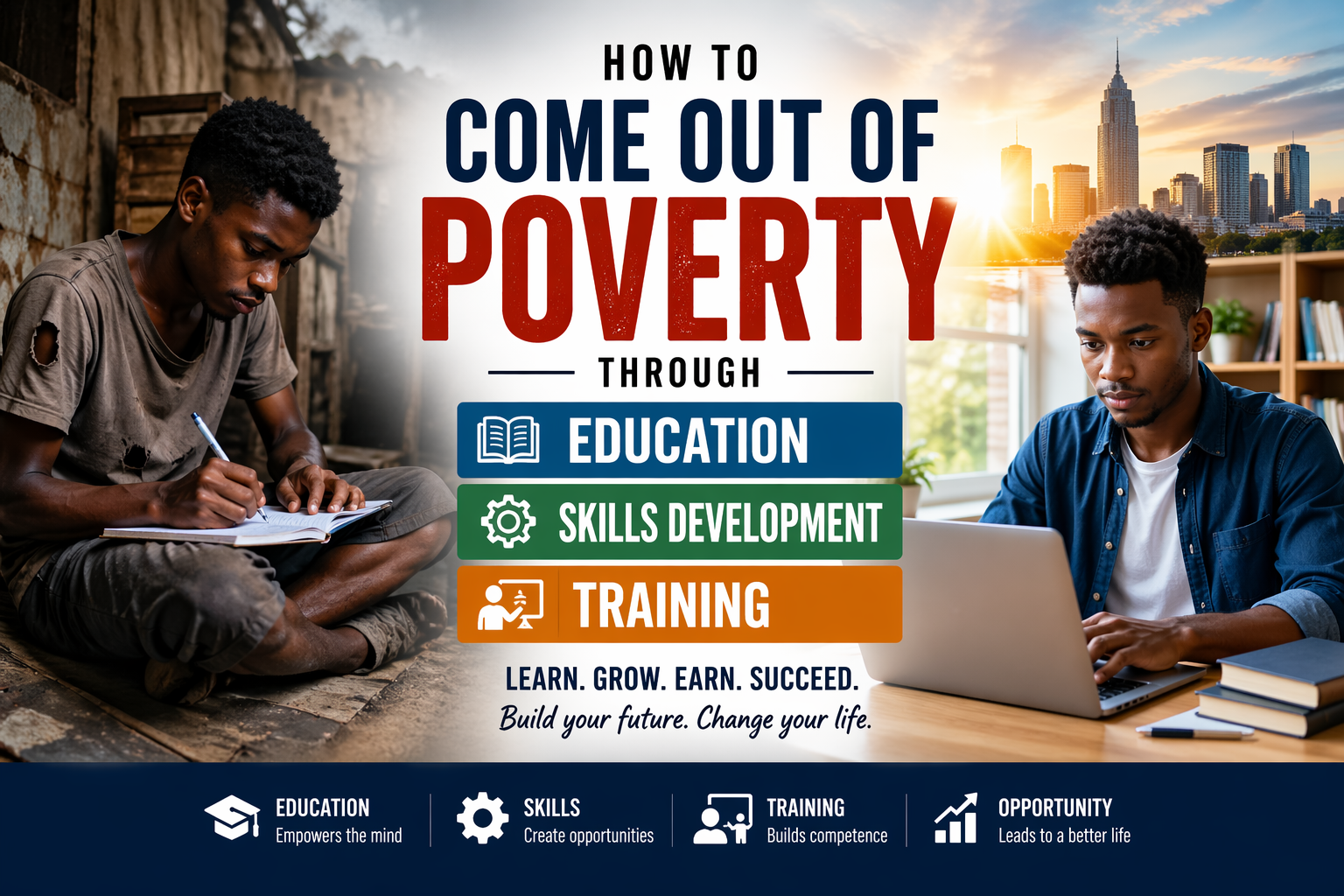
Poverty is not just a lack of money—it is often a lack of opportunity, access, and exposure. While there is no single solution to overcoming poverty, one of the most reliable and proven pathways is through education, skills development, and continuous training. These three pillars empower individuals to break cycles of limitation and build sustainable, dignified livelihoods.
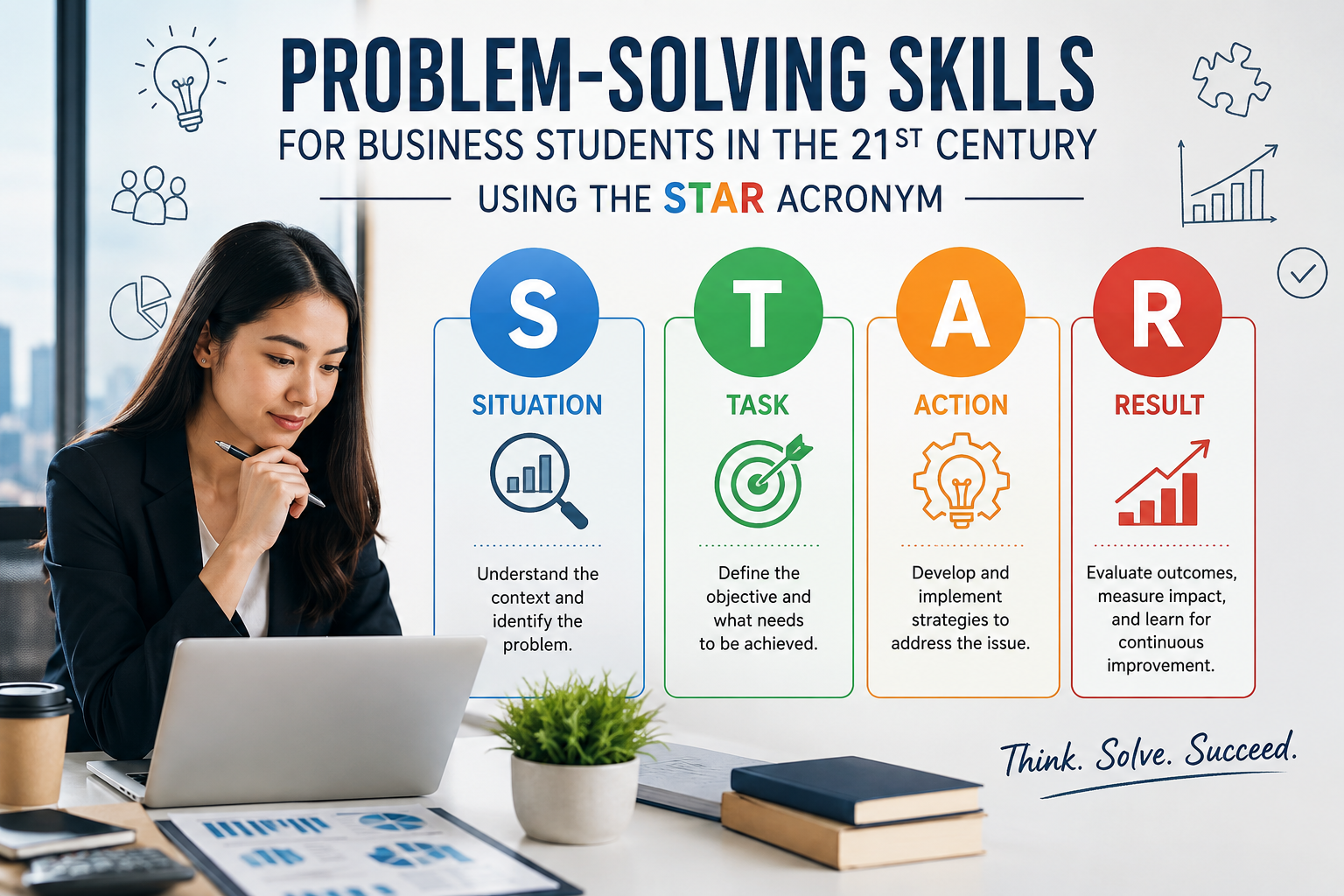
Education is the foundation. It equips individuals with the ability to read, write, think critically, and make informed decisions. More importantly, education opens doors. Whether through formal schooling or self-directed learning, knowledge expands perspectives and increases access to better opportunities. A well-educated individual is more likely to secure stable employment, adapt to changing environments, and contribute meaningfully to society. However, education should not be viewed only in terms of degrees. In today’s fast-changing world, practical knowledge and problem-solving abilities are just as valuable as academic qualifications.
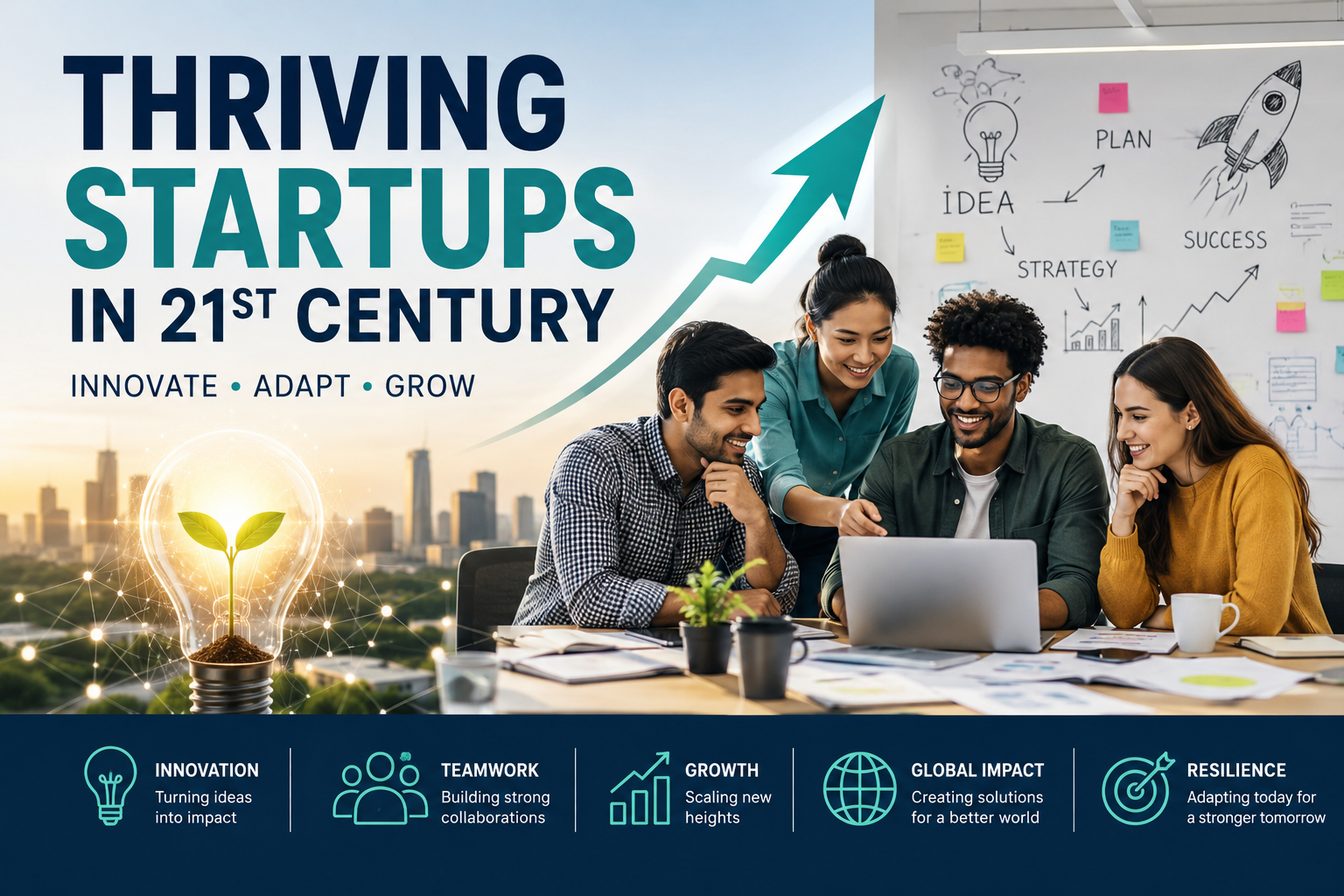
This is where skills development becomes crucial. Skills are the bridge between knowledge and income. While education teaches “what to know,” skills teach “how to do.” From technical abilities like coding, carpentry, and electrical work, to soft skills like communication, negotiation, and leadership, these competencies are directly linked to employability and entrepreneurship. In many cases, individuals who acquire high-demand skills are able to create their own opportunities rather than waiting for jobs. For example, a trained tailor, mechanic, or digital marketer can start a small business with minimal capital and gradually grow it into a stable source of income.
Training, on the other hand, ensures relevance and adaptability. The world of work is evolving rapidly due to technology, globalization, and shifting economic trends. What worked ten years ago may no longer be sufficient today. Continuous training allows individuals to upgrade their skills, learn new tools, and stay competitive. Whether through workshops, online courses, apprenticeships, or mentorship, training helps people remain valuable in the marketplace. It also builds confidence, which is a critical but often overlooked factor in overcoming poverty.
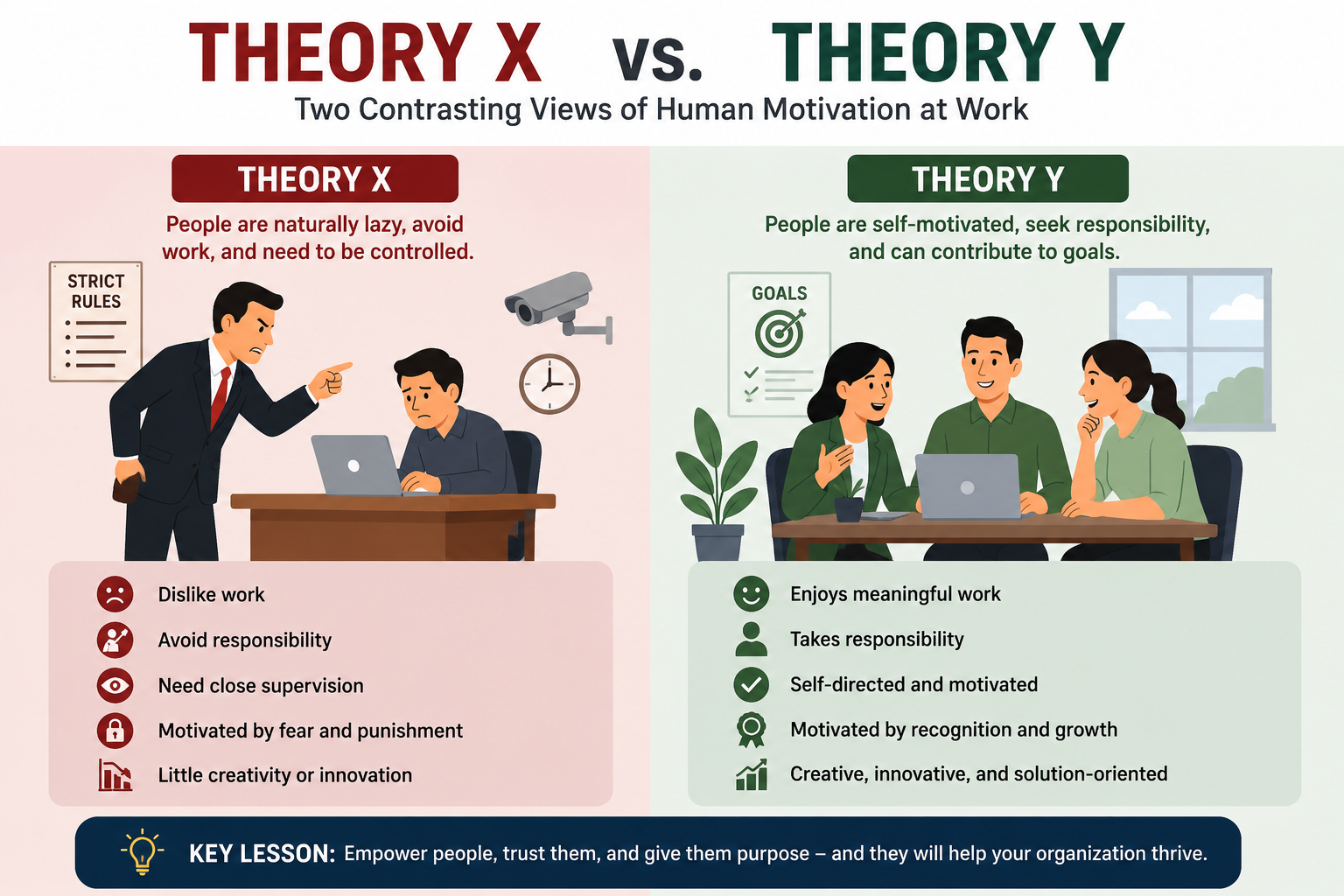
Importantly, the journey out of poverty requires a mindset shift. Education, skills, and training are only effective when paired with discipline, persistence, and a willingness to learn. Many successful individuals started with limited resources but maximized every opportunity to grow. They invested time in learning, sought guidance from others, and remained consistent despite setbacks.
Another key factor is leveraging available resources. Today, access to learning has expanded significantly through the internet, community programs, and vocational institutions. Free or affordable courses, tutorials, and certifications are widely available, making it possible for anyone with determination to acquire valuable knowledge and skills. The challenge is no longer access alone, but the commitment to utilize these opportunities.
In conclusion, escaping poverty is a gradual process, not an overnight transformation. Education provides the foundation, skills development creates opportunity, and continuous training ensures long-term success. When combined with the right mindset and consistent effort, these tools can transform lives, uplift communities, and create a future defined not by limitations, but by possibilities.